User login

An interactive site for the publication of images and text about the bryozoan fauna of the Great Barrier Reef and a forum for taxonomic discussion. Enabled by a BHP Billiton-CReefs Fellowship and the Queensland Museum Foundation.
Introduction to the Great Barrier Reef Bryozoa Website.

Anyone unfamiliar with bryozoans might think of them as tiny corals, or at least their analogues. Bryozoans are zoologically unrelated to reef corals, of course, but their hard, calcareous crustose, mounded, and branching colonies superficially resemble those of cnidarian corals. Bryozoans are protean creatures, as evidenced by their common names. The bushy ones used to be called "moss animals" (which is the literal meaning of Bryozoa) and the flat encrusting ones "sea mats".

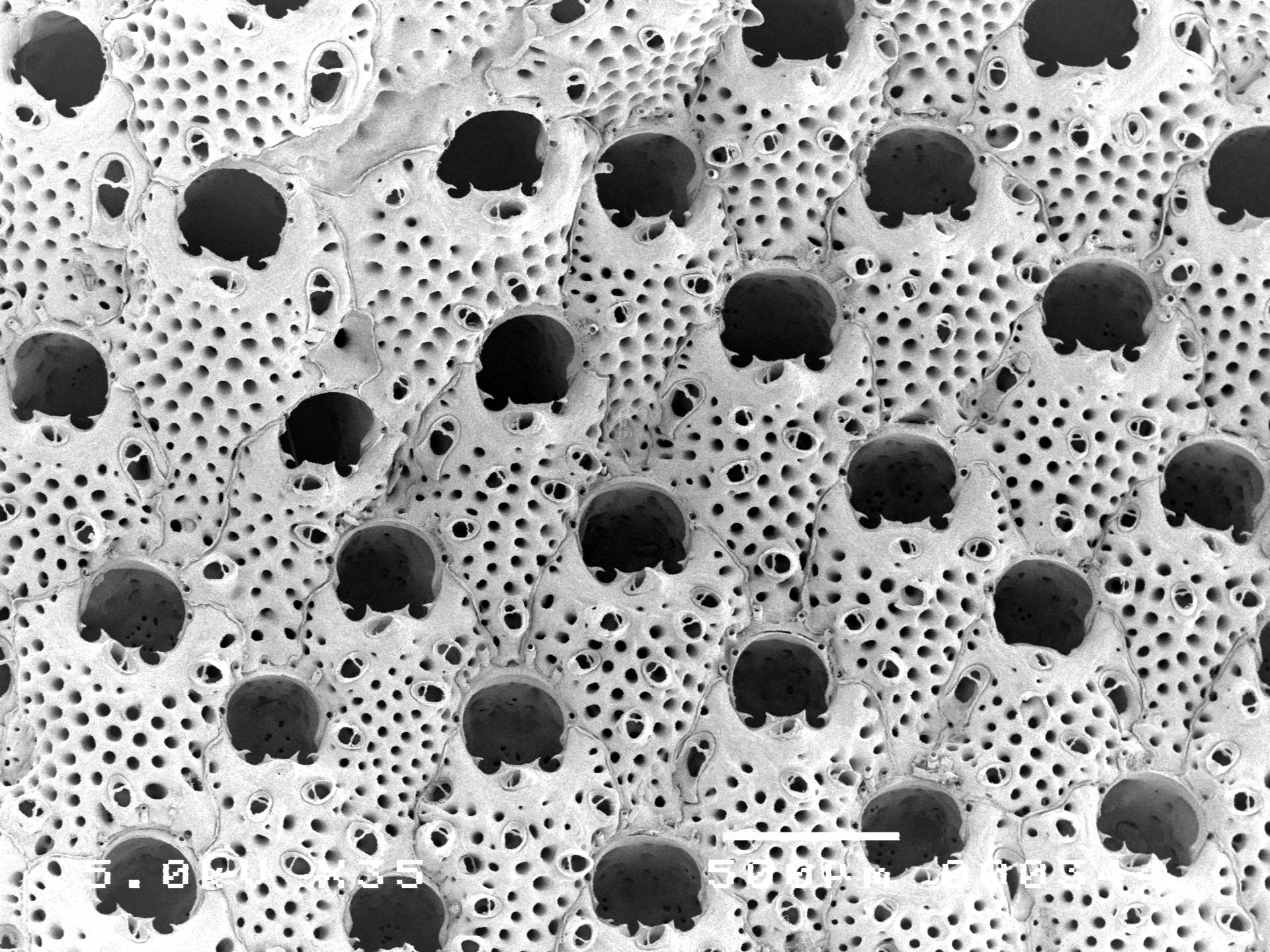
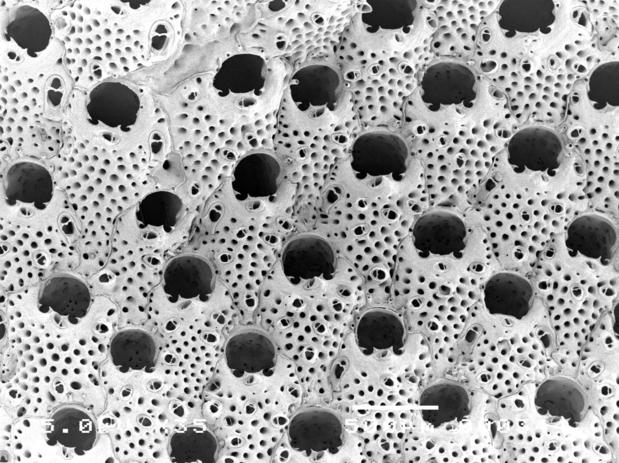
Mucropetraliella bennetti (Livingstone, 1926)

Introduction continued (1)

    In the 1800s, the Bryozoa were held to comprise two very distinct groups, respectively named Ectoprocta (bryozoans in the strict sense) and Entoprocta (also called Kamptozoa), each of which was raised to phylum rank. Ectoprocta as a phylum name may be found in some American textbooks, but the International Bryozoology Association has formally adopted only the name Bryozoa.

Introduction continued (2)

Colonies are made up mostly of feeding zooids (autozooids), but bryozoans are justly famous for exhibiting a higher degree of polymorphism ("many forms") among individuals than almost any other invertebrate group including siphonophores (planktonic cnidarians). Whereas autozooids have polypides, comprising a ciliated feeding apparatus (lophophore) and a U-shaped gut, kenozooids and avicularia lack them.

Introduction continued (3)

            Fertilisation in bryozoans is internal. Sperm from one colony are captured by a recipient colony's tentacles, to which they first adhere then move downwards towards a duct (intertentacular organ) or, more commonly, a pore that allows entry into the body cavity. Fertilised eggs may be incubated in a special sac within the zooid, within a modified zooid (gonozooid or brood chamber), or, in the majority of species, in a hood-like ovicell distal to the maternal orifice.

Introduction continued (4)

 Bryozoans are not intrinsically difficult to identify but a major handicap is a lack of popular-level literature. Certainly one needs a good microscope. For taxonomic study, bryozoan specialists employ different approaches. Bryozoans can be preserved in alcohol, usually 70% ethanol. This is critical for all members of the uncalcified order Ctenostomata, but has the benefit of preserving soft parts (which are not often studied), cuticular appendages like opercula and avicularian mandibles, and reproductive stages in the calcified forms.

Syndicate content
Scratchpads developed and conceived by: Vince Smith, Simon Rycroft, Dave Roberts, Ben Scott...